

Choosing la hacienda electric patio heater are perfect for outdoor spaces that require of warmth and ambience. When choosing a heater, consider the temperature of the area it will be and the heat output in BTUs or Watts.
Electric models are safe and easy to use in enclosed spaces such as garages or patios. However, they require a corded power source and aren't as strong as propane models.
Safety Features
Patio heaters can provide an inviting touch to outdoor spaces, however it's also important to consider safety. Natural gas and propane-powered models release carbon monoxide as well as other harmful chemicals, so they should be installed in a ventilated area according to the manufacturer's guidelines. Electric heaters do not emit pollution and can be used in restricted areas.
Choose a model that has an erect base to stop it from tipping over. Some manufacturers include a tilt switch that shuts off the heater when the unit is tilted past the specified amount. This reduces the risk of injury or fire to others who are around during conversations with friends and sipping a cocktail.
The GH Institute tested models that were easy to use and set up. The Member's Mark patio heater required just one person to assemble and has a convenient set of wheels on the base to make it easy to transportation. We also enjoyed the fact that this model has an easy-to-read control panel, and was easy to move around the deck. It has a great amount of heat--upto 10 feet in a circular pattern. It also comes with a propane tank.
Another key factor to consider is the size of the space you're looking to warm. You might require a larger heater to heat a greater area. Many manufacturers provide the heat output of their heaters in British thermal units. The more powerful the Btu rating, the more powerful the heater.
You can also check whether a particular model is safe to use on a hardwood deck. Most freestanding patio heaters are safe to use on decks. However, it is always a good idea double-checking the directions and following any special precautions.
If you're thinking of purchasing an electric pyramid patio heater, it's best to stay clear of models with cords that cross walkways. These cords are a tripping danger for those who aren't paying close to the area. They also increase the possibility that someone may accidentally contact the heating elements.
Heat Output
The output of heat from the patio heater is measured in British thermal units (Btu). A higher Btu rating indicates that the heater can provide more heat to a larger area. A 40,000-btu model can comfortably warm around 2,000 square feet, which provides enough space for many people to relax and unwind. For larger areas and colder climates the higher Btu rating is needed to ensure everyone is comfortable.
Electric patio heaters plug into an electrical outlet and produce infrared warmth which warms both people and objects however they don't emit harmful pollutants. The gas-powered patio heaters however release carbon monoxide and other harmful chemicals, making them unsuitable to use in spaces that don't have adequate ventilation. Due to this, they need to be used outdoors only in well-ventilated areas, and they aren't recommended for homes with children or pets.
Patio heaters that operate on propane or natural gas usually generate more heat, however they are more expensive. They are also heavier and more difficult to transport than electric models, which makes them less portable. If you are concerned about the security of your patio heater, you should purchase one with an anti-tip feature to prevent it from slipping and falling over.
This stainless steel patio heater features an enchanting flame center. This patio heater is built with sturdy steel and aluminium that resists corrosion. A reliable pulse ignition system ensures quick, easy starting. The control valve built into the heater allows you to alter the heat settings according to your preferences. A side door gives you easy access to a propane tank of 20 pounds (sold separately).
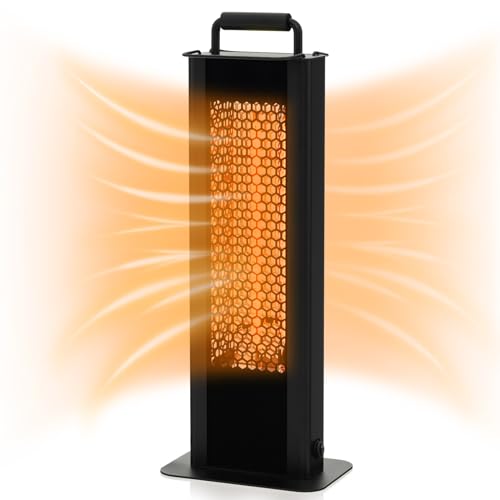
This freestanding outdoor gas patio heater boasts a stunning Btu rating of 40000, which is sufficient to comfortably heat up to 220 square feet. The patio heater can stand up to harsh weather conditions like high winds. It's a great choice for outdoor dining as it emits infrared warmth that can be felt through tablecloths and other fabrics that are breathable. It also has a protective cover to keep the heater safe and clean when it's not in use.
Portability
One of the most important factors when it comes to heaters for patios is whether or not they can be easily moved from one place to another. It's especially true for free-standing heaters, and many of the top models can be folded up and stored indoors when not in use. They're a great choice for porches which are frequently used, or for those who want to move their furniture and use different outdoor spaces throughout the year.
All of the patio heaters in the pyramid design that we tested came with covers designed to shield them from harsh weather. We found the Member's Mark pyramid heater to have a cover that was swift and easy to use, that protected the unit from snow and rain while still being easily accessible. It was also easy to transport from place to place, which made it a good choice for those who want the comfort of an inviting, warm spot but also wanted to be capable of moving the source of heat as required.
If you're looking for a propane or electric patio heater, it's important to consider how much power you'll need to keep your outdoor space warm. Many of the best-rated patio heaters in our review provide 40,000 Btu's of heat which is enough to comfortably heat up to 220 square feet. If you have a larger space that requires heating, we suggest choosing one with more Btu's.
It's also important to think about whether you'd like your outdoor heater to be powered by electricity or propane since each option offers its own advantages. Propane patio heaters tend to be more efficient than electric models and require less maintenance. They should be kept in a well ventilated space at all times and can be less appealing to homeowners.
When selecting an electric patio heater, look for one that has safety features like tip-over protection or adjustable heat settings. Also, you should consider the ease of moving and assembling the patio heater, and also its appearance. It's best to select a patio heater certified by an independent testing body like Underwriters Laboratories, or Underwriters Laboratories of Canada.
Aesthetics
In contrast to a freestanding infrared heater which uses heat radiating radiation to warm the air, dome-top and pyramid patio heaters run on propane and produce a flame to create a cozy fire effect. They typically have triangular shapes with three prongs and a central column that has flames that run along the middle to ensure the greatest coverage. They have a lower output of heat than infrared heaters, however, they provide enough warmth to keep diners comfortable while dining outdoors.
The majority of the outdoor heaters we tested were boxed and required some form of assembly, with different levels of difficulty. Some, like the Dura Heat tank top were incredibly easy to put together while others required a lot of time. The Member's Mark Pyramid heater was the most difficult of the models we tested.
As these units are designed to be outdoors, they must endure some extreme weather conditions, so their durability is an important aspect to take into consideration. Those made with sturdy materials, like the stainless steel used on the Member's Mark model, are better able to withstand snow and rain than those which use glass tubing at the center of the unit, which could easily crack or break. This model includes a protective cover that can be useful in windy conditions.